Gemstones have fascinated people for centuries with their color, brilliance, rarity, and symbolism. Whether you are choosing a gemstone for an engagement ring, necklace, earrings, or a meaningful gift, understanding the basics can help you find a piece that suits both your style and lifestyle.
1. Start with Color
Color is often the first thing you notice about a gemstone. Ruby is known for its rich red tones, sapphire is famous for its deep blue hues, emerald is admired for its vivid green color, while yellow diamonds offer a warm and luminous appearance.
When choosing a gemstone, look beyond simply asking whether the color is “bright.” Consider the tone, saturation, and overall balance of the color. A gemstone with a beautiful, even color can create a more refined appearance.
2. Understand Cut and Shape
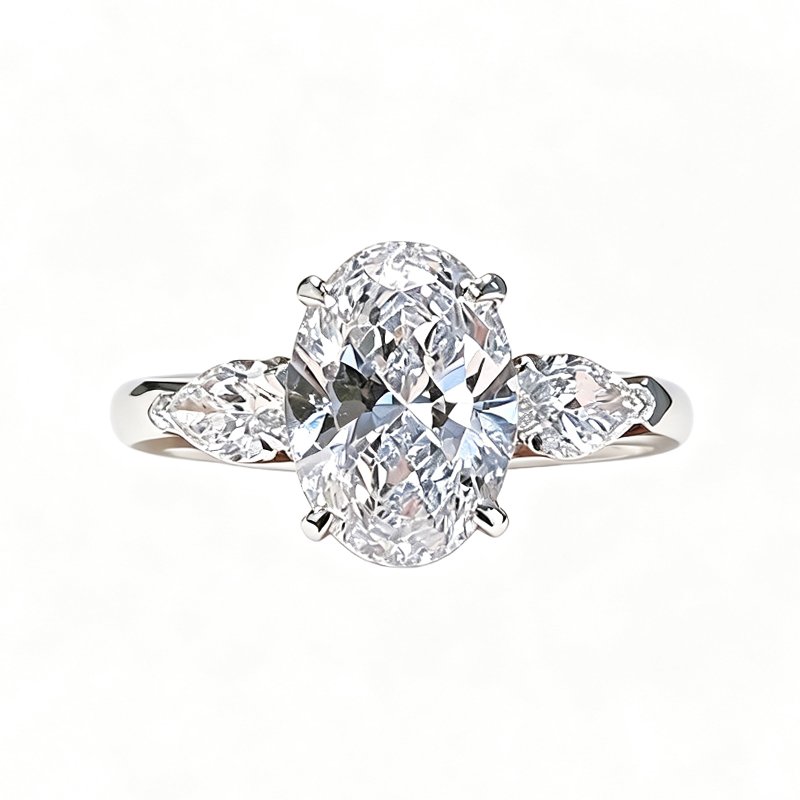
Cut and shape are important factors in how a gemstone looks when worn. Round, oval, pear, cushion, emerald, and Asscher cuts can create completely different visual effects.
A well-designed cut can help a gemstone interact with light, enhancing its brilliance and character. The right shape also depends on personal preference and the jewelry design. For example, a pear-shaped gemstone can create an elegant and elongated look, while a cushion cut often feels softer and more romantic.
3. Consider Clarity
Clarity refers to the presence of natural internal characteristics or inclusions. Some gemstones naturally contain inclusions, and these characteristics can be part of their identity.
Rather than focusing only on whether a stone is completely flawless, consider how visible the inclusions are to the naked eye and whether they affect the gemstone’s overall beauty and durability.
4. Think About Durability
Not every gemstone is equally suitable for everyday wear. If you are choosing a ring that you plan to wear frequently, durability should be an important consideration.
Harder gemstones are generally better suited to jewelry exposed to regular contact and friction. Softer or more delicate stones may require additional care and may be better suited to occasional wear.
5. Natural or Lab-Grown?
Gemstones and diamonds can come from different origins, and this is an important part of the buying decision. Natural stones form through geological processes, while lab-grown stones are created using controlled technology.
Neither choice needs to define your personal style. Consider your budget, preferences, desired characteristics, and the meaning you want your jewelry to have. Most importantly, ask for clear information about a gemstone’s origin and specifications before purchasing.
6. Choose According to Your Lifestyle
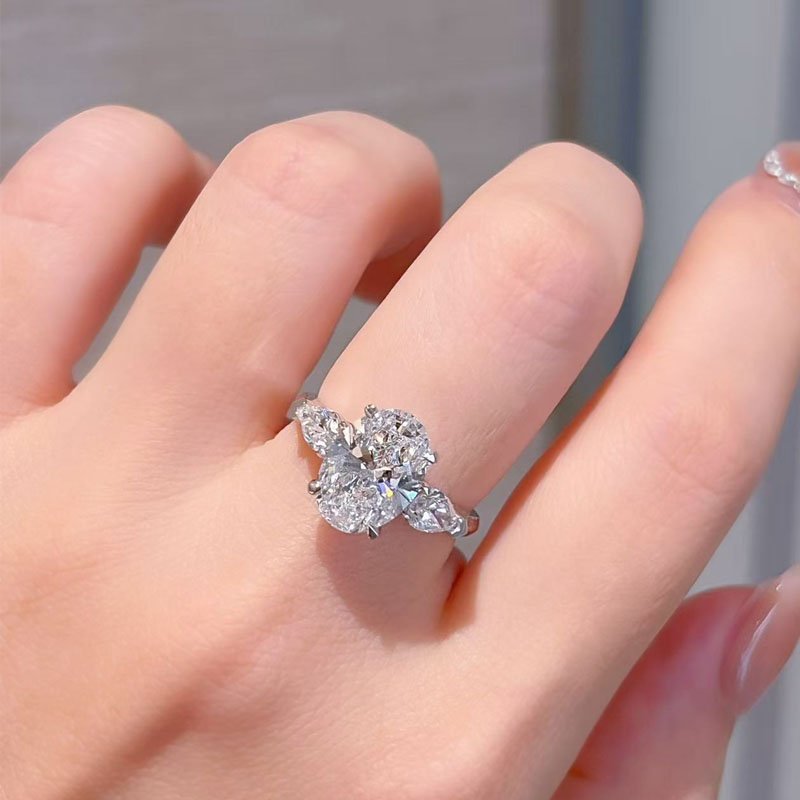
A beautiful gemstone should also fit naturally into your everyday life. If you prefer minimal jewelry, a delicate gemstone necklace or pair of earrings may be ideal. If you love statement pieces, a larger center stone surrounded by diamonds can create a dramatic effect.
For an engagement ring or meaningful gift, you may also want to consider the recipient’s personal style, favorite colors, and how often the jewelry will be worn.
Final Thoughts
Choosing a gemstone is not simply about finding the rarest or largest stone. It is about finding the right balance between color, cut, clarity, durability, design, origin, and personal style.
Take your time, compare different gemstones under different lighting, and ask for detailed information before making a purchase. The best gemstone is ultimately one that feels beautiful, meaningful, and right for you.



Leave a Reply