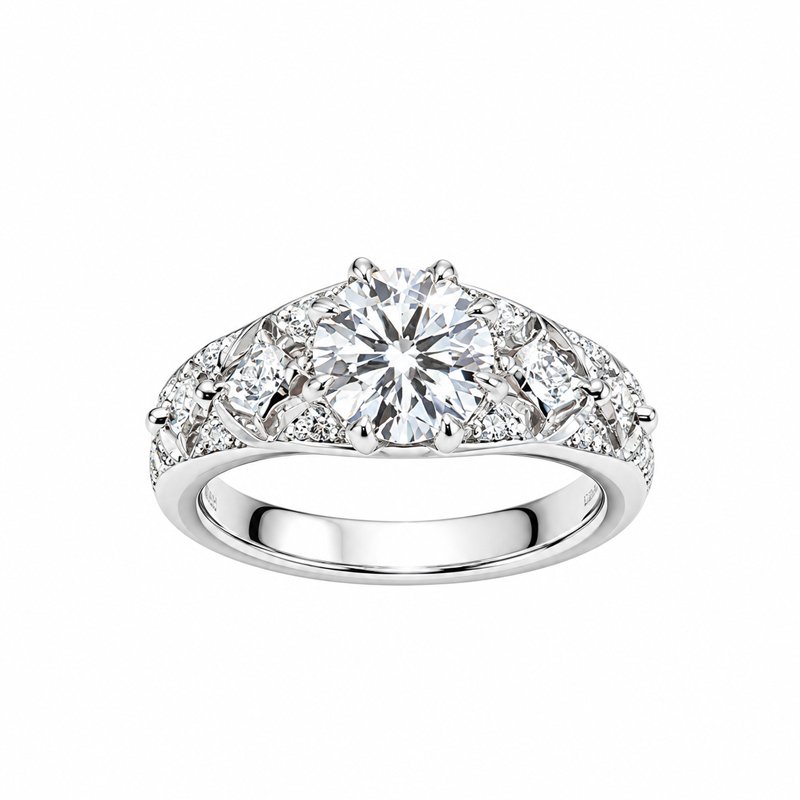
Choosing an engagement ring is one of the most meaningful decisions in a love story. It represents commitment, shared dreams, and the promise of a future together. With so many diamond shapes, settings, metals, and styles available, finding the right ring can feel overwhelming.
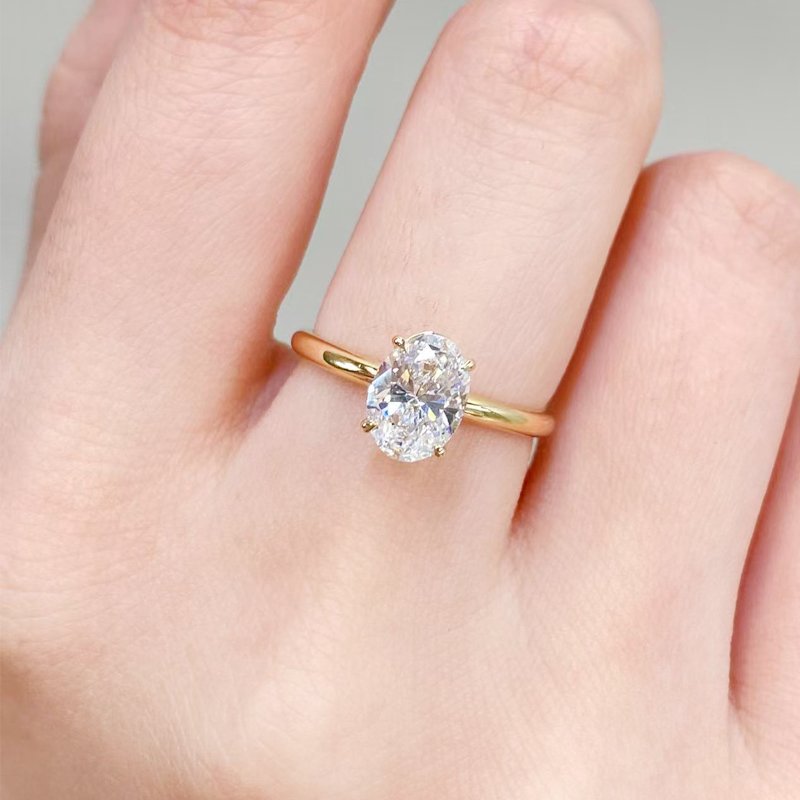
Whether you are searching for a classic diamond solitaire, a modern marquise engagement ring, or an elegant lab-grown diamond design, this guide will help you find a ring that reflects your partner’s personality, lifestyle, and preferences.
1. Understand Her Personal Style
The perfect engagement ring should feel personal. Before comparing diamonds or browsing collections, consider the jewelry your partner already wears.
Classic and timeless: Round brilliant diamonds and simple solitaire settings offer enduring elegance.
Modern and distinctive: Marquise, pear, and emerald-cut diamonds create a unique silhouette.
Romantic and feminine: Oval diamonds, delicate pavé bands, and halo settings offer a graceful appearance.
Bold and sophisticated: Larger center stones, sculptural settings, and striking geometric designs make a statement.
Minimalist and understated: Slim bands and clean lines are ideal for someone who appreciates subtle elegance.
Pay attention to whether your partner prefers yellow gold, white gold, or mixed-metal jewelry. These small details can help you select an engagement ring that feels naturally suited to her style.
2. Select the Best Metal for the Setting
The metal affects the ring’s overall appearance, durability, maintenance needs, and compatibility with other jewelry.
18K Yellow Gold: Warm and classic, yellow gold pairs beautifully with many diamond shapes and colored gemstones.
18K White Gold: A bright, contemporary finish complements colorless diamonds and minimalist designs. White gold may require periodic rhodium replating depending on its finish and wear.
18K Rose Gold: A soft pink tone creates a romantic look and offers an alternative to traditional gold colors.
Platinum: A naturally white precious metal valued for its durability and suitability for fine jewelry settings.
When selecting a metal, consider skin sensitivity, everyday activities, maintenance preferences, and the jewelry your partner already owns.
6. Choose an Engagement Ring Setting
The setting determines how the center diamond is held in place and contributes to the ring’s visual character.
- Solitaire setting: Highlights a single center diamond with a clean, timeless design.
- Halo setting: Surrounds the center stone with smaller diamonds, creating additional sparkle and a more expansive visual effect.
- Pavé setting: Uses small diamonds along the band for continuous brilliance.
- Three-stone setting: Features a center diamond accompanied by two side stones, creating a balanced and meaningful design.
- Bezel setting: Encircles the diamond with a metal rim for a sleek appearance and added protection around its edges.
Consider your partner’s daily routine when choosing a setting. Low-profile designs may be more practical for someone who frequently works with their hands, while intricate settings may appeal to those who enjoy decorative details.
7. Set a Realistic Engagement Ring Budget
There is no universal amount you must spend on an engagement ring. The right budget depends on your financial circumstances, priorities, and the design you want to purchase.
Start by deciding on a comfortable spending range. Then compare different diamond shapes, carat weights, grades, metals, and settings within that range.
For example, you might compare a smaller natural diamond with a larger lab-grown diamond, or choose a simple solitaire instead of a more elaborate pavé design.
Remember to account for potential additional costs, including resizing, insurance, taxes, shipping, and future maintenance.
A meaningful engagement ring does not need to exceed your budget to represent a lasting commitment.
8. Find the Correct Ring Size
A well-fitting engagement ring should feel secure without being uncomfortable.
If the proposal is a surprise, consider discreet ways to estimate the correct size:
- Borrow a ring your partner wears on the same finger and have it professionally measured.
- Ask a trusted friend or family member for help.
- Use a jeweler’s ring-sizing service when possible.
Finger size can fluctuate with temperature, time of day, and other factors. Ring width and design can also affect how a ring feels.
Before ordering, review the seller’s sizing guide and resizing policy, particularly if you are purchasing online or choosing a detailed setting that may be difficult to resize.
9. Check Certification, Craftsmanship, and After-Sales Service
An engagement ring is a significant purchase, so clear product information matters.
Before placing your order, review:
- Diamond grading documentation, where applicable.
- Accurate disclosure of natural or lab-grown origin.
- Metal purity and the details of the setting.
- Clear product photographs and specifications.
- Ring sizing, resizing, return, and exchange policies.
- Shipping timelines, packaging, and insurance arrangements where available.
- Warranty terms and available after-sales support.
For custom engagement rings, confirm the design details, production timeline, and approval process before production begins.
A trustworthy seller should make it easy to understand what you are purchasing and what support is available after the order arrives.
10. Make the Ring Meaningful
The most memorable engagement ring is one that reflects the relationship behind it.
You might choose a marquise diamond because your partner loves distinctive designs, a classic solitaire because she prefers simplicity, or a custom setting inspired by a meaningful moment you have shared.
Personal details can make the ring even more special. Consider an engraving, a carefully chosen gemstone, or a design that complements her everyday jewelry.
Ultimately, the perfect engagement ring is not defined by its price or carat weight. It is defined by how thoughtfully it reflects the person who will wear it.
Frequently Asked Question
What is the best diamond shape for an engagement ring?
There is no single best shape. Round brilliant diamonds offer classic sparkle, oval diamonds create an elongated appearance, and marquise diamonds provide a distinctive silhouette. The ideal choice depends on personal style and budget.


Leave a Reply